Open heap or bin
The simplest method: add greens and browns over time and let them break down slowly. It needs little effort and no turning, though finished compost can take several months to a year.
Composting & Organic Waste · Canada
Roughly half of what a Canadian household throws away can be composted at home. These pages explain how backyard composting works, how to balance the materials you add, and how to keep organics out of the garbage through the cold months.

The methods
There is no single correct setup. The right approach depends on your space, climate, and how much material your household produces. These three cover most situations in Canadian back yards and balconies.
The simplest method: add greens and browns over time and let them break down slowly. It needs little effort and no turning, though finished compost can take several months to a year.
Built in larger batches and turned regularly to bring in air. A well-fed pile heats up, breaks down faster, and reduces weed seeds, but it asks for more attention and a steady supply of material.
Red wigglers process food scraps in a contained bin that works indoors through winter. A good fit for apartments and small households that want to compost kitchen waste year-round.

Why it matters
Food and yard waste sent to landfill breaks down without oxygen and releases methane. Composting at home keeps those materials in an aerobic cycle and returns nutrients to your own garden instead.
Many Canadian municipalities now run green-bin collection, but home composting still has a place: it cuts what leaves your property, produces a free soil amendment, and gives you direct control over what goes in.
Backyard systems handle fruit and vegetable scraps, coffee grounds, eggshells, leaves, and garden trimmings well. Meat, dairy, and oily foods are usually better suited to municipal green-bin programs, which process them at higher temperatures.
Articles
Longer reads on setting up a system, getting the material mix right, and keeping organics out of the trash.

Cold piles, hot piles, and worm bins compared, with notes on space, effort, and Canadian winters.
Read the guide →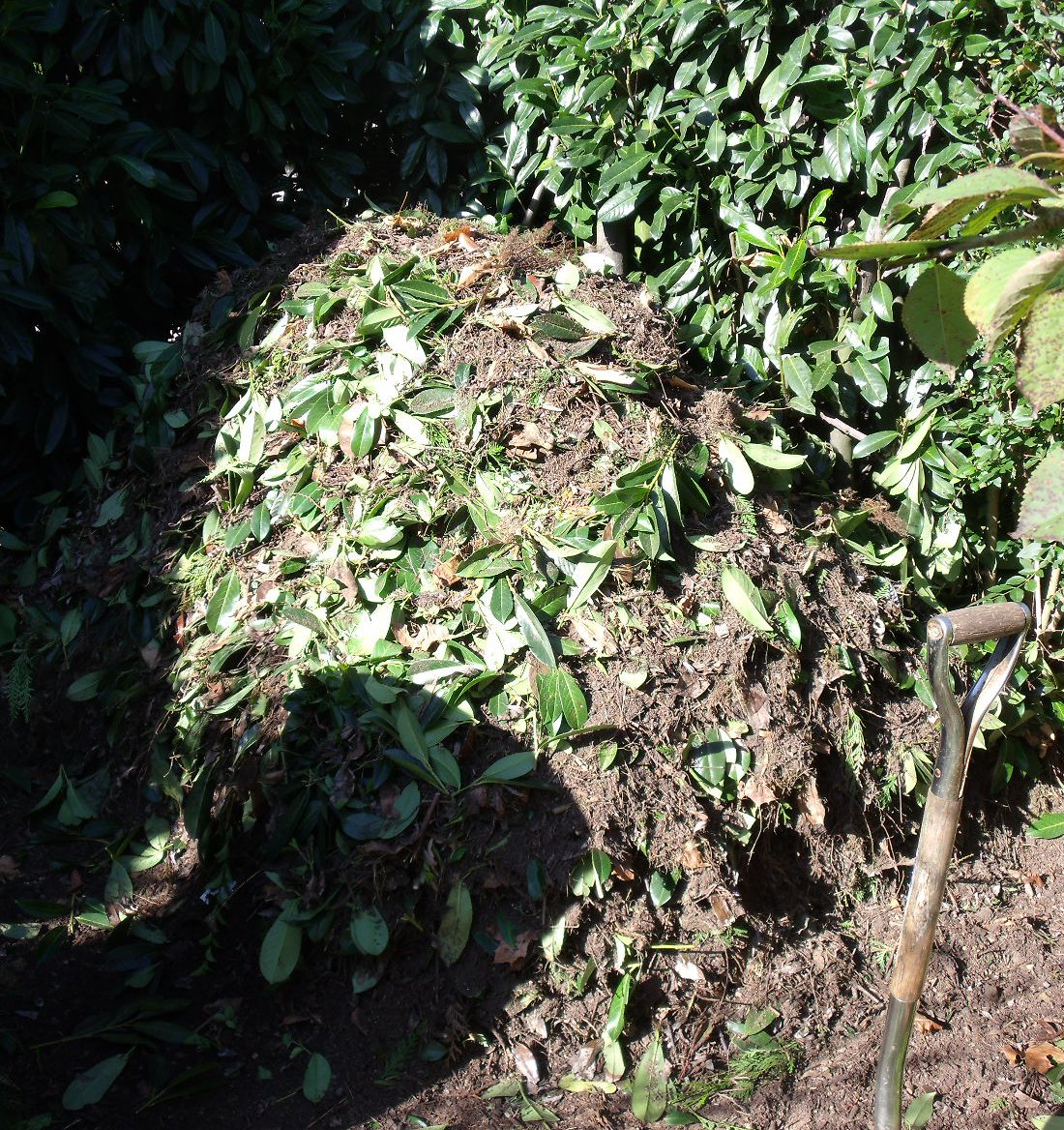
How the carbon-to-nitrogen mix shapes a pile, and a working list of common materials in each category.
Read the guide →
Practical habits for the kitchen and indoor worm bins that keep food scraps out of the garbage year-round.
Read the guide →Contact
If something here is unclear or out of date, send a note. Use the form to share your name and contact details and a short message will reach the editors.