Updated 2026-05-20. The terms greens and browns are shorthand for the two things a pile needs in balance: nitrogen and carbon. Greens are the moist, nitrogen-rich materials; browns are the dry, carbon-rich ones. Microbes use carbon for energy and nitrogen to build their bodies, so a pile that leans too far either way runs into trouble.
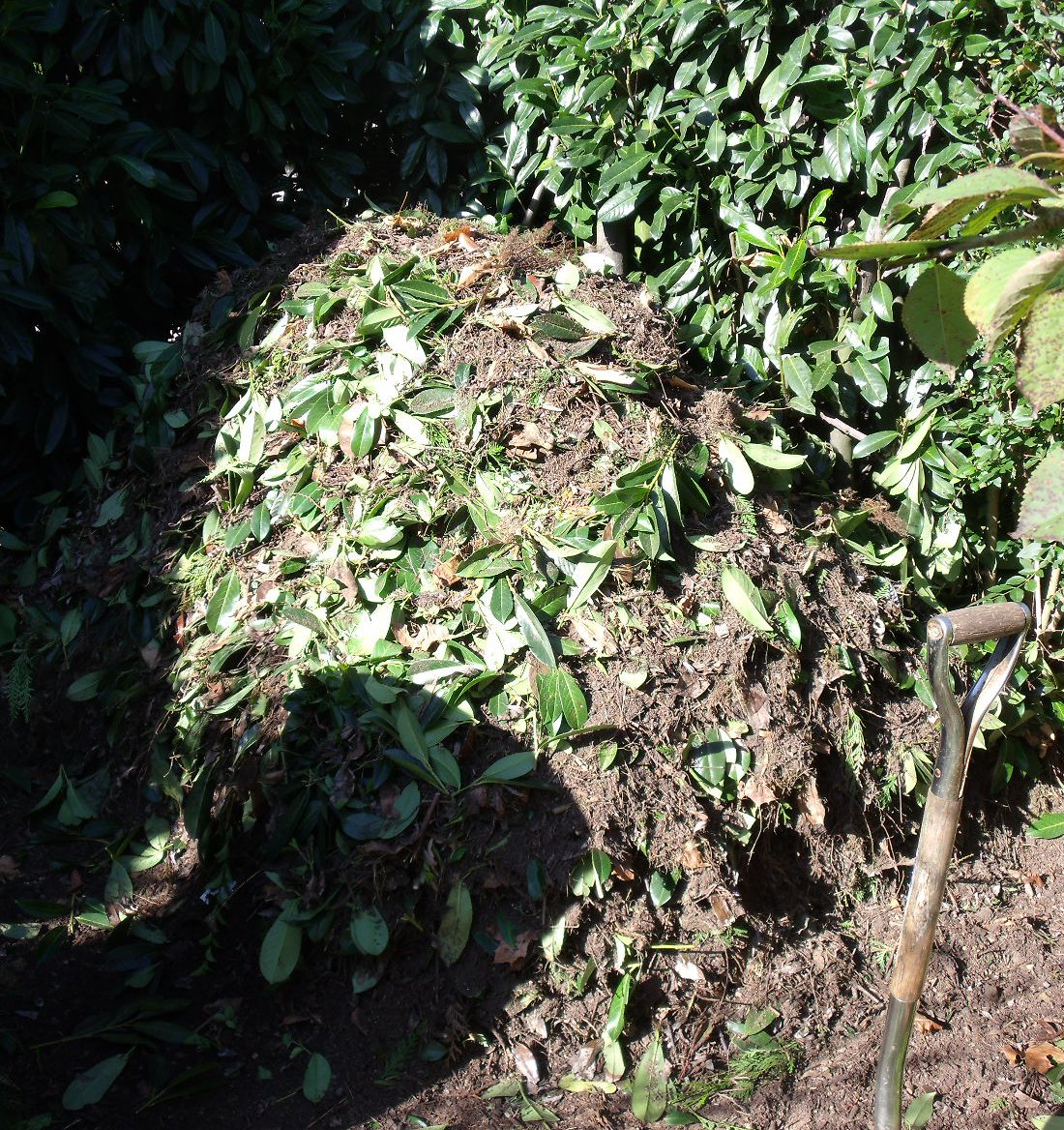
What counts as a green
- Fruit and vegetable scraps
- Coffee grounds and tea leaves
- Fresh grass clippings
- Garden trimmings and spent plants
What counts as a brown
- Dry autumn leaves
- Shredded uncoated paper and cardboard
- Straw and dried plant stalks
- Small amounts of wood chips or sawdust from untreated wood
A common starting point is to add more browns than greens by volume, then adjust based on how the pile behaves. There is no single perfect ratio for a backyard pile, so treat the mix as something you tune over time rather than measure precisely.
Reading the signs
| Symptom | Likely cause | Adjustment |
|---|---|---|
| Sour or ammonia smell, soggy | Too many greens, too wet | Mix in dry browns, turn for air |
| Dry, slow, little change | Too many browns or too dry | Add greens, moisten lightly |
| Matted, compacted layers | Not enough air | Turn and loosen the pile |
Moisture and air
Balance is not only about carbon and nitrogen. A working pile should feel about as damp as a wrung-out sponge and have enough structure for air to move through it. Browns help on both counts by soaking up excess moisture and keeping the pile from packing down. This is why stockpiling autumn leaves pays off: it gives you a brown supply to draw on when summer brings a flood of greens.
How balance connects to method
The mix matters most in a hot pile, where the right balance is what drives the pile to heat up. A cold pile is more forgiving and simply works more slowly if the ratio drifts. For the full picture of how each system handles material, see backyard composting methods, and for keeping a steady supply of greens from the kitchen, see reducing household organic waste.
References
- United States Environmental Protection Agency — composting at home: epa.gov/recycle
- Government of Canada — home composting guidance: canada.ca composting